“No longer in production, but never forgotten: the timeless treasures from the cellars of Eltz Castle”
The Schloss Eltz Winery in the Rheingau has long been more than just a former wine producer – it is the living memory of an entire region. Although operations were ceased as early as the 1970s, the Counts of Eltz family continues to safeguard a unique treasure to this day: several thousand bottles of Riesling from the finest vintages of the 20th century. In doing so, they preserve the legacy of a winery that was once one of the most legendary names in the Rheingau.
The family’s roots stretch back over 800 years into German history. Since 1794, its ancestral seat has been the Eltzer Hof in Eltville am Rhein. Under the leadership of Johann Jakob Graf zu Eltz, a qualified agronomist, the estate achieved its greatest renown with 140 Morgen of vineyards and four State Honours. In the post-war period right up to the 1970s, Schloss Eltz ranked alongside greats such as Schloss Johannisberg and Schloss Vollrads as one of the region’s best-known producers.
However, the end of active viticulture did not spell the end of the wines. At a memorable tasting in 2010, held to mark the International Riesling Symposium, Countess Sophie and Count Karl zu Eltz hosted a tasting spanning eight decades. The old bottles, including rare sweet wines such as Beerenauslesen and ice wines, as well as fully fermented Kabinett Rieslings, displayed astonishing freshness. The oldest wine, a 1947 Eltviller Mönchhanach Riesling Kabinett, showed no signs of ageing at 69 years old and impressed with its pale golden colour and wonderful length. When a 1962 Trockenbeerenauslese was served, those present even rose solemnly to their feet to express their appreciation.
The tasting painted a picture of Rheingau Riesling characterised by finesse, depth and elegance – qualities that are often sought after today. Some of the vineyards from that era have long since ceased to exist; they had to make way for roads or housing estates . Thus, the wines of Schloss Eltz are today silent witnesses to a vanished world of wine and precious relics of an era in which the Rheingau forged its unforgettable style.


Contents: 0.75 Liter (€5,000.00* / 1 Liter)

Contents: 0.75 Liter (€1,000.00* / 1 Liter)

Contents: 0.75 Liter (€193.33* / 1 Liter)

Contents: 0.75 Liter (€326.67* / 1 Liter)

Contents: 0.75 Liter (€1,720.00* / 1 Liter)

Contents: 0.75 Liter (€153.33* / 1 Liter)

Contents: 0.75 Liter (€366.67* / 1 Liter)

Contents: 0.75 Liter (€220.00* / 1 Liter)

Contents: 0.75 Liter (€233.33* / 1 Liter)

Contents: 0.75 Liter (€500.00* / 1 Liter)

Contents: 0.75 Liter (€633.33* / 1 Liter)

Contents: 0.75 Liter (€393.33* / 1 Liter)
Contents: 0.75 Liter (€233.33* / 1 Liter)

Contents: 0.75 Liter (€2,466.67* / 1 Liter)

Contents: 0.75 Liter (€2,253.33* / 1 Liter)

Contents: 0.75 Liter (€2,253.33* / 1 Liter)
Contents: 0.75 Liter (€193.33* / 1 Liter)

Contents: 0.75 Liter (€326.67* / 1 Liter)

Contents: 0.75 Liter (€7,666.67* / 1 Liter)

Contents: 0.75 Liter (€3,320.00* / 1 Liter)

Contents: 0.75 Liter (€1,986.67* / 1 Liter)
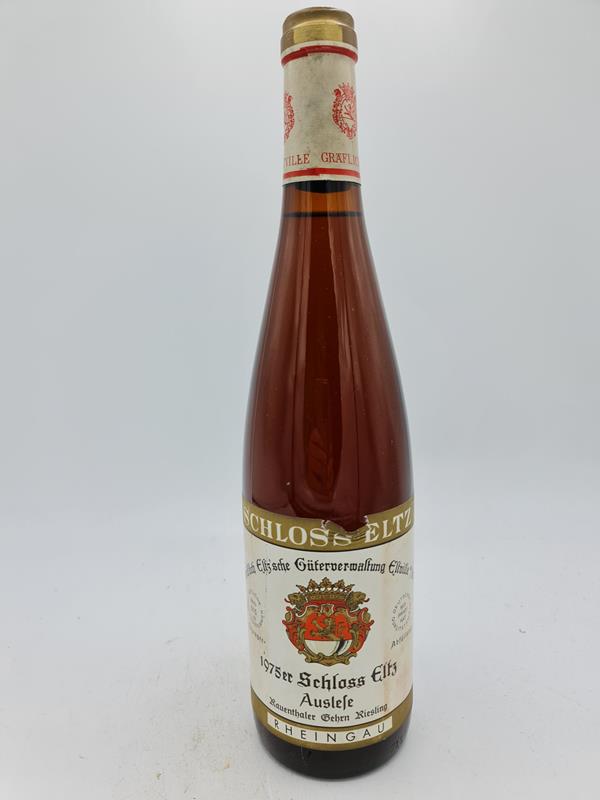
Contents: 0.75 Liter (€233.33* / 1 Liter)
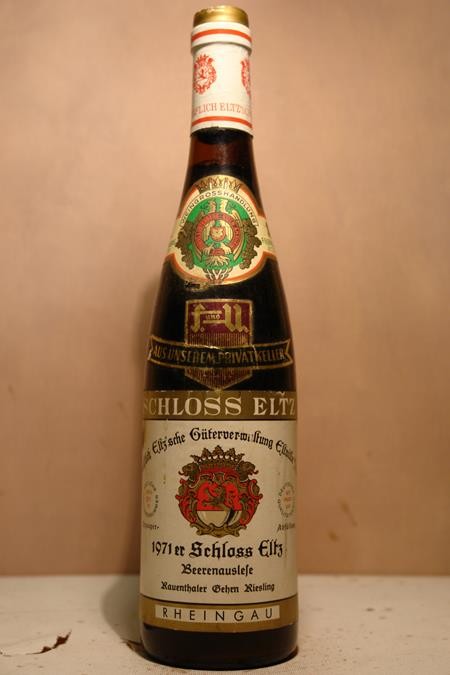
Contents: 0.75 Liter (€726.67* / 1 Liter)